
Georges Bizet
Carmen
ENCORE PRESENTATION
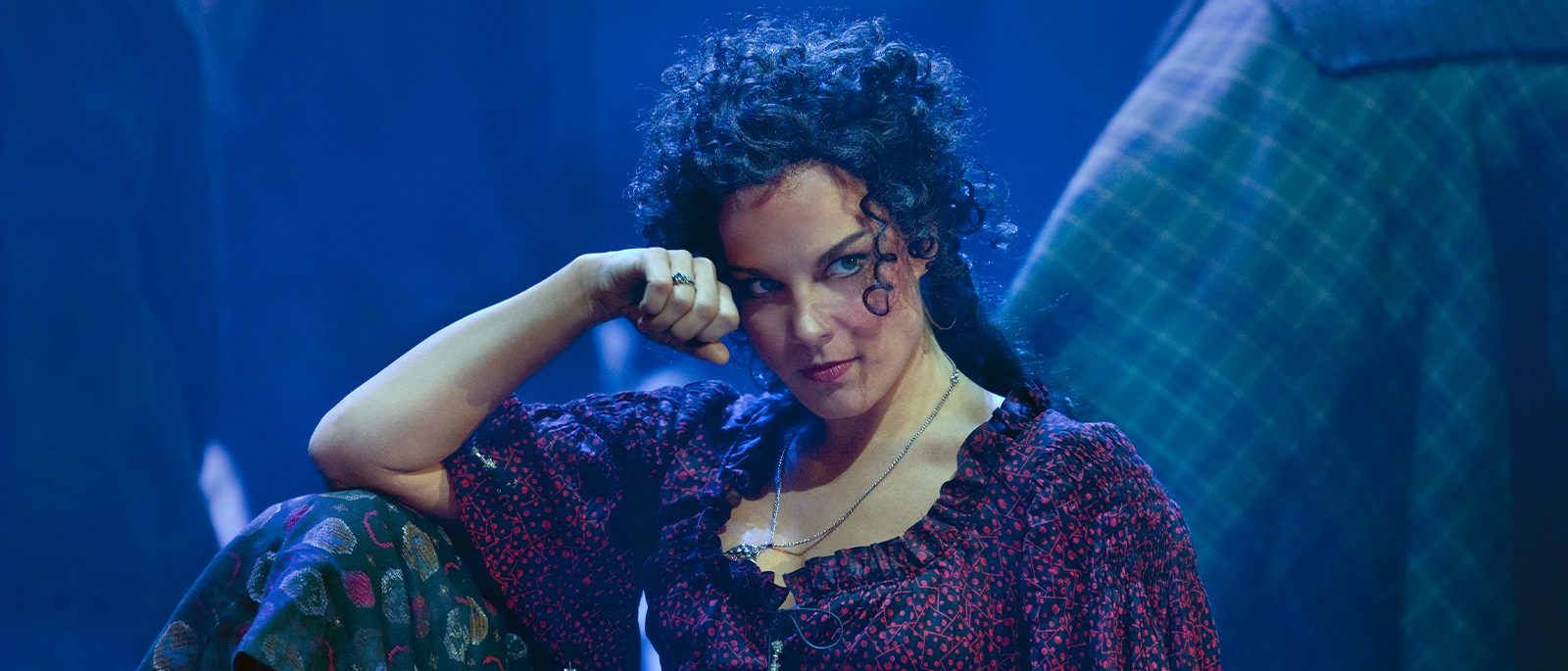
Richard Eyre’s beloved production of Bizet’s masterpiece returns to theaters for a special encore this season, led by soprano Elīna Garanča as the title character and tenor Roberto Alagna as Don José in the iconic 2010 Met performance—a fan favorite of The Met: Live in HD series. Yannick Nézet-Séguin conducts.
This production of Carmen was made possible by a generous gift from Mrs. Paul Desmarais, Sr.
Sung In
French
Estimated Run Time
3 hours
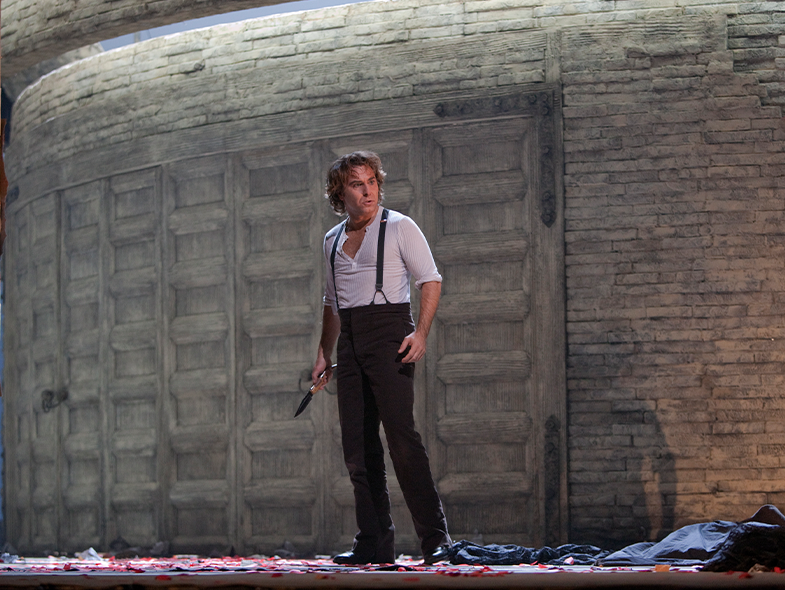
World premiere: Opéra-Comique, Paris, 1875. Bizet’s masterpiece of the seductress who lives by her own rules has had an impact far beyond the opera house. The opera’s melodic sweep is as irresistible as the title character herself, a force of nature who has become a defining female cultural figure. Carmen was a scandal at its premiere but soon after became a triumphal success and has remained one of the most frequently staged operas in the world.
Creators
Georges Bizet (1838–75) was known as a brilliant student and prodigy, but his works only found lasting success after his untimely death—most notably Carmen, which premiered three months before he died. Librettist Henri Meilhac (1831–97) would subsequently provide the libretto for Massenet’s Manon (1884). His collaborator on Carmen was Ludovic Halévy (1834–1908), the nephew of composer Jacques Fromental Halévy (creator of the opera La Juive and Bizet’s father-in-law). The libretto is based on a novella by Prosper Mérimée (1803–70), a French dramatist, historian, and archaeologist.
-
composer
Georges Bizet
Production
Richard Eyre
SET and COSTUME DESIGNER
Rob Howell
LIGHTING DESIGNER
Peter Mumford
CHOREOGRAPHER
Christopher Wheeldon
Setting
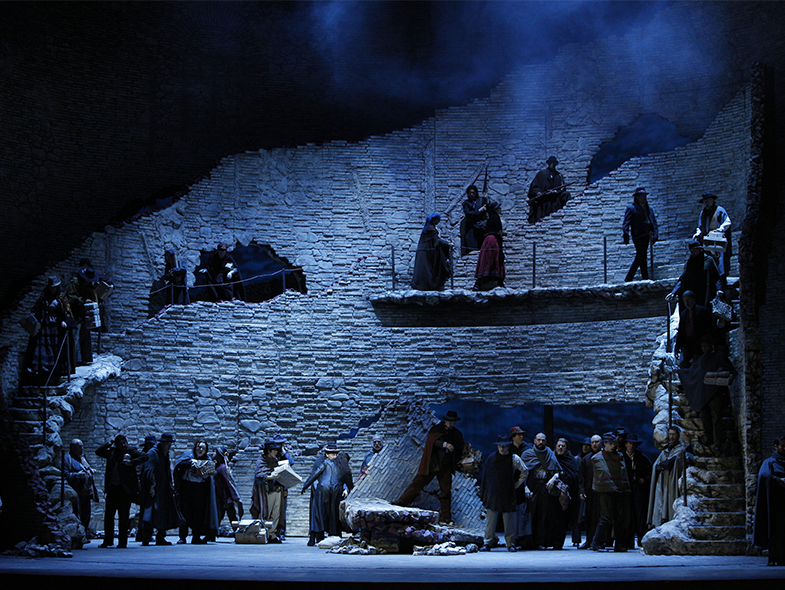
The opera takes place in and around Seville, a city that, by the time Carmen was written, had already served many operatic composers as an exotic setting conducive to erotic intrigues and turmoil (Rossini’s Il Barbiere di Siviglia and Verdi’s La Forza del Destino, among others). The hometown of Don Juan, the city also inspired Mozart with Don Giovanni, and Beethoven used Seville as the setting for a study of marital fidelity in Fidelio.
Music
The score of Carmen contains so many instantly recognizable tunes that it can be easy to overlook how well constructed it is. The major solos are excellent combinations of arresting melody and dramatic purpose—from the baritone’s famous Toreador Song to the tenor’s wrenching Flower Song to the title character’s alluring Habanera and Seguidilla—and the duets and ensembles are equally beguiling.

Share This Page
Social Share
Copied