
Met Opera on Demand: Insights
Designed specifically for university students and instructors, Met Opera on Demand: Insights provides exclusive access to conversations with Met composers, multimedia curricular resources, and rare archival materials through institutional subscriptions to Met Opera on Demand. Each semester features core content highlighting thematic connections between one contemporary Met premiere and one title available on Met Opera on Demand.
Met Opera on Demand: Insights is available exclusively to colleges, universities, and conservatories with institutional subscriptions to Met Opera on Demand: Student Access through their libraries. Click above to learn more about how your school can gain access to this essential collection of unforgettable opera performances.

Opera & Social Justice
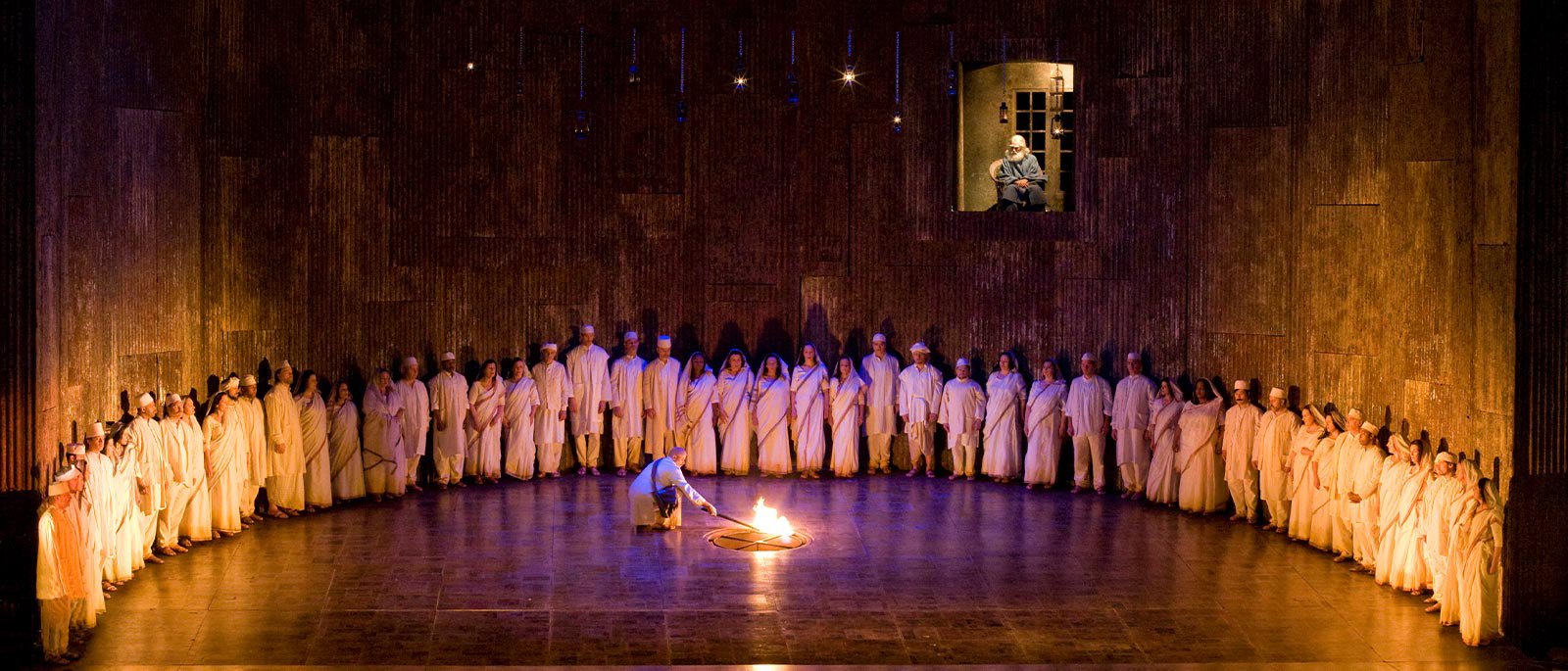
Explore connections between opera and social justice through an interview with X: The Life and Times of Malcolm X composer Anthony Davis, multimedia resources on Philip Glass’s Satyagraha, and archival documents on the history of civil rights at the Met.

Opera & Language
Explore connections between opera and language through John Adams’s El Niño and Doctor Atomic, as well as archival documents on the history of Spanish opera at the Met.

Opera & Gender
Explore connections between opera and gender through Jeanine Tesori’s Grounded, Kaija Saariaho’s L’Amour de Loin, and archival documents on the Met premiere of Ethel Smyth’s Der Wald.
Opera & Literature
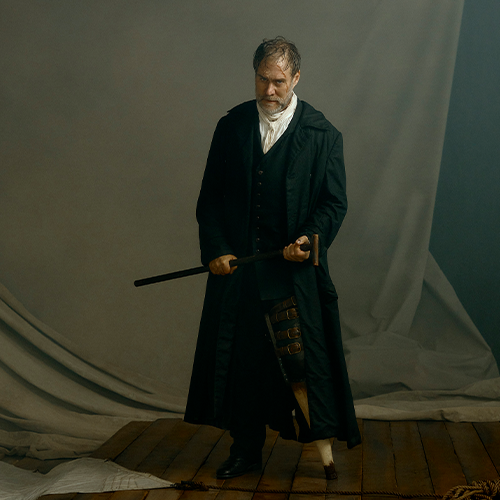
Explore connections between opera and literature through Jake Heggie’s Dead Man Walking and Moby-Dick, as well as archival documents on the world premiere of Samuel Barber’s Antony and Cleopatra at the Met.

Opera & Fascism
Explore connections between opera and fascism through Mason Bates’s The Amazing Adventures of Kavalier & Clay, Osvaldo Golijov’s Ainadamar, and archival documents related to the history of the Met during the World Wars.

Opera & Myth
Explore connections between opera and myth through Gabriela Lena Frank’s El Último Sueño de Frida y Diego, Matthew Aucoin’s Eurydice, and archival documents detailing the Met’s unsuccessful efforts to cast Maria Callas in the title role of Cherubini’s Medea.